
Wheldrake Ings Nature Reserve
Wheldrake Ings Nature Reserve is a breathtaking wetland reserve eight miles south-east of York, part of the Lower Derwent Valley National Nature Reserve, and one of the finest places in Yorkshire to watch wildlife through the seasons.
Wheldrake Ings Nature Reserve | Nature Reserve near York
Opening Hours: Open at all times - but the site can flood and become inaccessible in late autumn and winter; check @LDV_NNR on X, Facebook or Bluesky before visiting
Location: Ings Lane, Wheldrake, York, North Yorkshire, YO19 6AX
Suitable for: Families and wildlife enthusiasts - note that paths can be muddy and uneven, and the kissing gate entrance is not accessible for pushchairs or wheelchairs
Booking: No booking required
Cost: Free entry
Website: https://www.ywt.org.uk/nature-reserves/wheldrake-ings-nature-reserve
Set within the Lower Derwent Valley National Nature Reserve - a Site of Special Scientific Interest, National Nature Reserve, Ramsar site, and Special Area of Conservation all in one - Wheldrake Ings is a 157-hectare wetland floodplain that puts on a different show with each season. Three bird hides make it easy to settle in and watch whatever is unfolding on the water or meadow, whether you're a seasoned birder or simply looking for a peaceful walk away from the city.
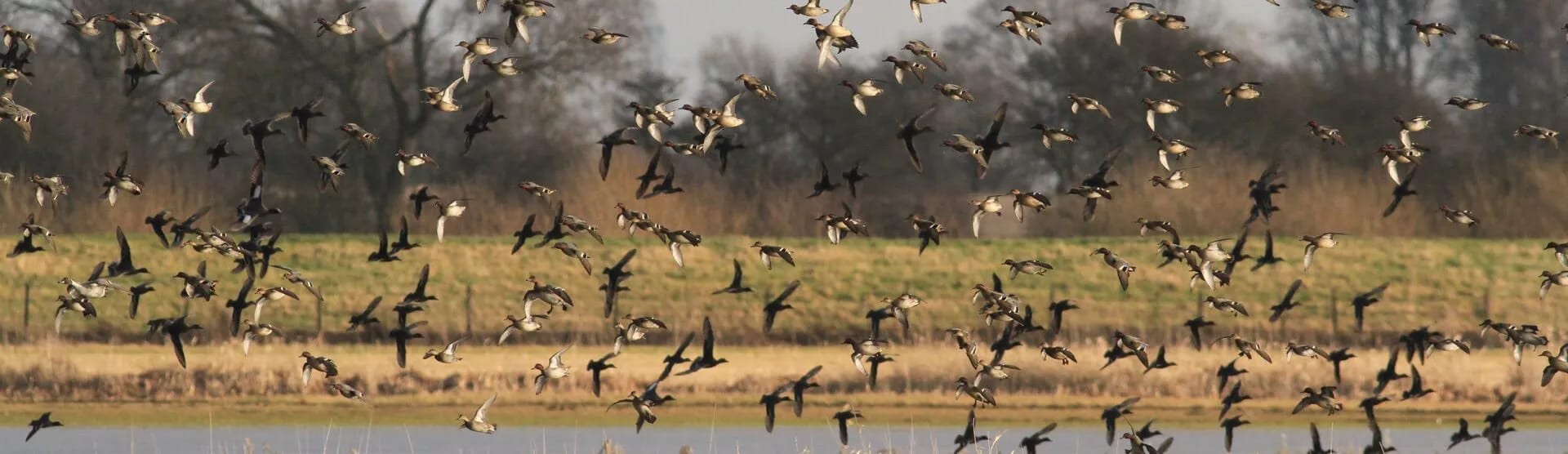
Winter is the most dramatic time to visit. When the River Derwent floods the valley, huge numbers of ducks, geese, swans, gulls and waders gather on the water - whooper swans, wigeon, teal and pintail among them - and the skies can suddenly erupt as a peregrine or marsh harrier scatters the flock. Spring brings a completely different atmosphere: the meadow dries out, wildflowers emerge in abundance, and the air fills with the calls of curlews, snipe, skylarks and cuckoos. Brown hares are often spotted in the grassland, and there's always the chance of a kingfisher or otter along the river.
Summer brings meadowsweet, great burnet and banded demoiselle damselflies, while autumn adds barn owls quartering at dusk, roe deer at the field edges, and the first returning wildfowl building on the water again. It's the kind of reserve that rewards repeat visits through the year, and rarely disappoints.
Good to Know
The site is a natural floodplain and can be cut off by flood water for three to five months of the year - always check access before setting out, particularly in late autumn and winter
Paths are level but can be very muddy and slippery after wet weather, and debris from flooding can make boardwalks hazardous - wear wellies and take care
No dogs are permitted on the reserve
Binoculars or a telescope are strongly recommended for getting the best views from the three hides
The site car park often floods in late autumn and winter - alternative parking is available at Natural England's neighbouring Bank Island reserve
The kissing gate entrance is not accessible for pushchairs or wheelchairs; the main metal field gate is usually open during the day
The Pool Hide and Swantail Hide offer the best wheelchair access of the three hides, though ground leading up to hides can be uneven
Nearest accessible toilet is at Natural England's Bank Island office with a RADAR key
Refreshments are available in nearby Wheldrake village
Bus 36 runs between Wheldrake village and York Merchantgate - check with Transdev or East Yorkshire Motor Services before travelling as routes can change
Best times to visit: March to June for breeding waders and wildflower meadows; November to January for spectacular flocks of overwintering birds
Photo credit: https://www.ywt.org.uk/nature-reserves/wheldrake-ings-nature-reserve
Opening Hours
| Monday | Open |
| Tuesday | Open |
| Wednesday | Open |
| Thursday | Open |
| Friday | Open |
| Saturday | Open |
| Sunday | Open |
Categories
You may also be interested in

Acomb Green
green space in the heart of Acomb with open lawns and a play area
Parks & Walks

Glen Gardens
Green Flag award-winning park in Heworth
Parks & Walks

St Olave's Church
A thousand-year-old church tucked beside Museum Gardens
Places to Visit

Clarence Gardens
Offering formal gardens and a play area
Parks & Walks